How Decentralized Storage serves the new data as an asset class model
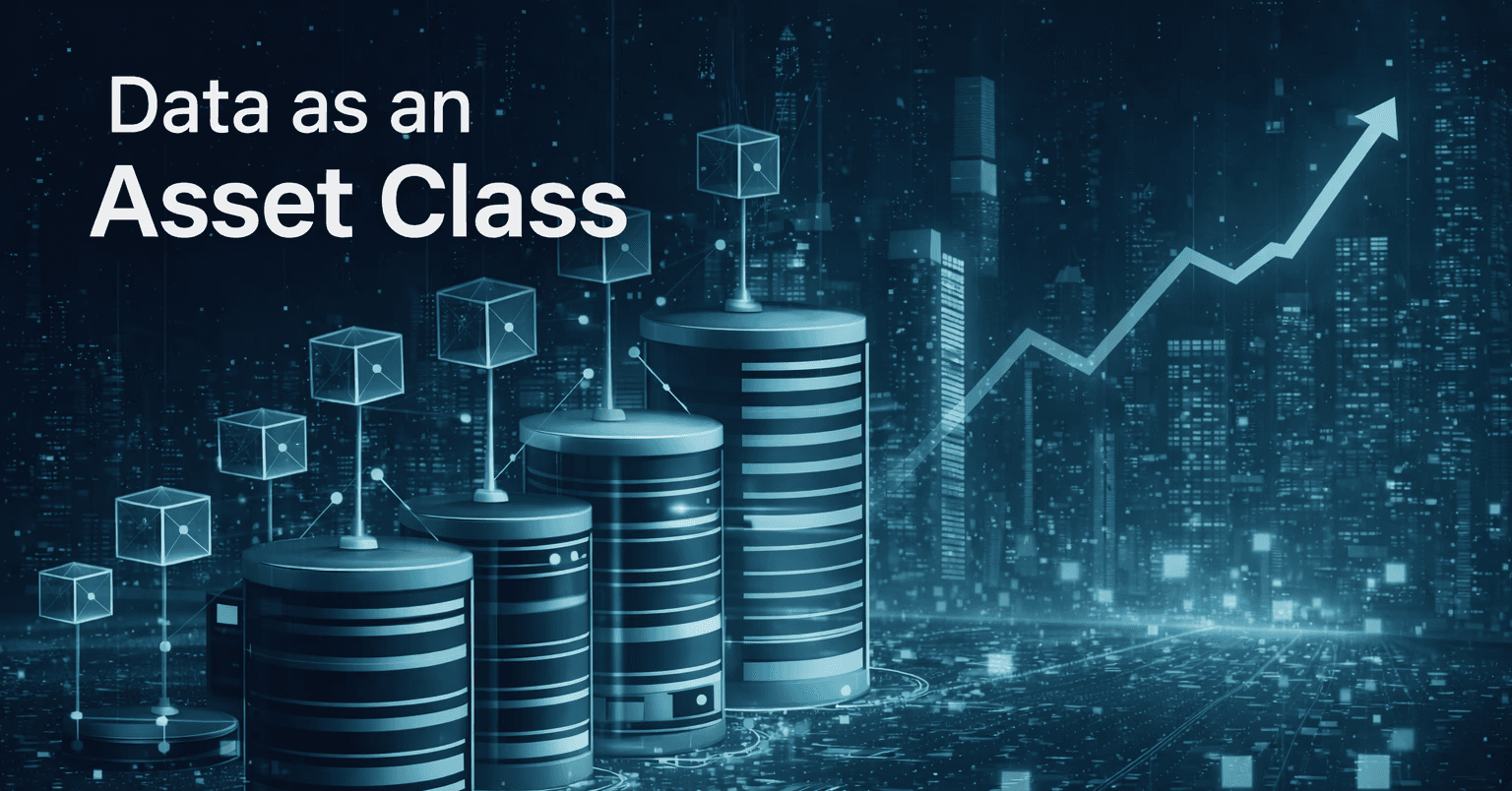
In 2006, the phrase “Data is the New Oil” became part of the lexicon and with it a growing interest in the value of digital information and data. What soon followed was expansions on this analogy such as, “like oil, data is valuable, but if unrefined it cannot really be used”. In the decades since, enterprises and institutions have been struggling to learn how to monetize their data all the while continuing to store vast amounts of data.
The advent of AI, autonomous vehicles and robots, and other data-driven innovations has renewed interest in this topic to the point that legislation is now being proposed and adopted around the world that enumerates how data can be leveraged as an asset class, along with greater specificity as to the rights of data owners.
In fairness, though, given the concerns surrounding these innovations, data might more aptly described as ‘uranium yellowcake’ rather than oil, in that it requires proper safeguards and controls before it can be processed into ‘hugely valuable single sources of truth’.
The purpose of this paper is to make readers aware of the strategic opportunities with data being more properly treated as an asset as well as better align market requirements for decentralized data storage and access with network and protocol design and development.
This document briefly describes the characteristics of decentralized storage of data to qualify as a legal asset and the properties required in a system to provide value to data owners and custodians. We will include a short description of the categories of data and the differences in handling that data. Finally, we will propose some examples of how existing technology can be used to create such an initial system, along with expected advancements which will meet the Web3 promise of “Read, Write, Own”.